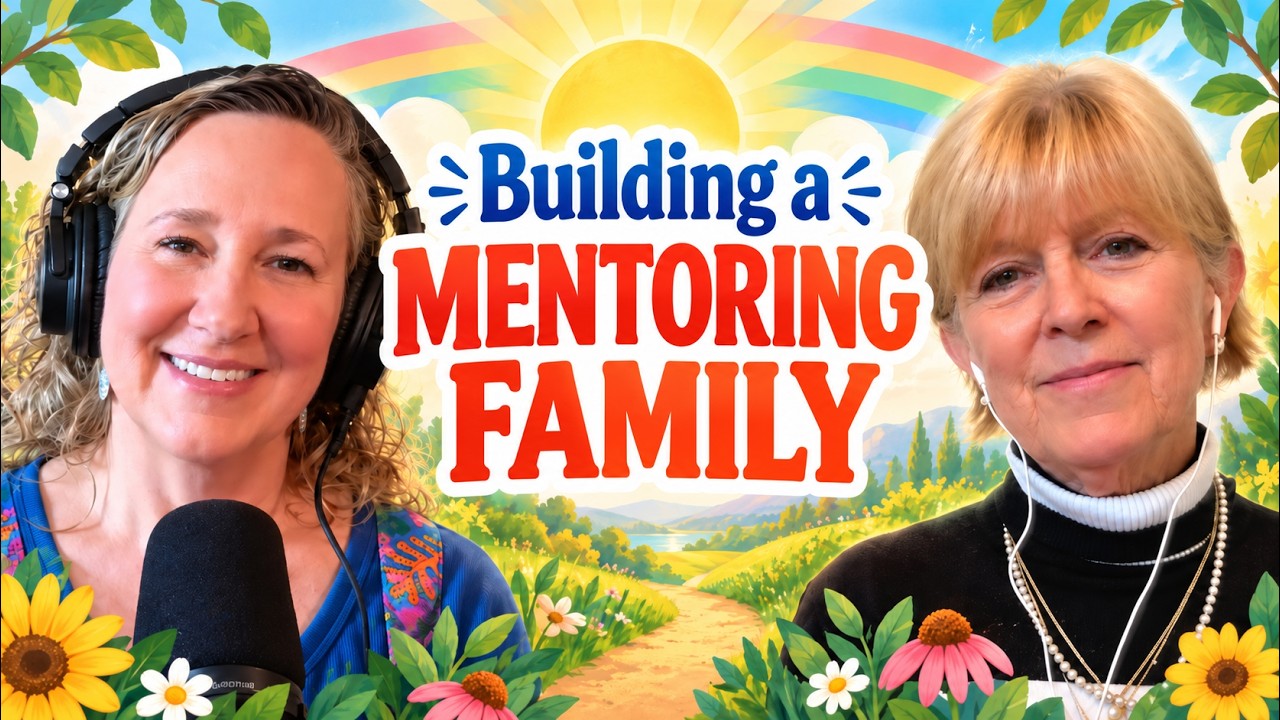
Why Physicians Need a 'Mentoring Family' Instead of Just One Mentor
Building a sustainable medical career requires moving beyond the traditional single-mentor model. By intentionally curating a hand-picked 'mentoring family' of diverse peers, senior advisors, and trusted confidants, healthcare professionals can distribute the emotional and strategic labor of resilience, effectively buffering against chronic burnout and career isolation.
Key Takeaways
- Traditional single-mentor models often place an unrealistic burden on one senior colleague.
- A mentoring family distributes emotional and professional support across a diverse group of trusted peers and advisors.
- Different life stages require different types of guidance, from tactical career advice to deep emotional processing.
- Deliberately cultivating this support network is a critical shield against chronic physician burnout and isolation.
The Flaws of Traditional Medical Mentorship
For decades, medical training and early practice have promoted the concept of the singular mentor. Medical students and residents are told to find that one seasoned attending who will open doors, review research papers, and offer sage career advice. While this model can work well during structured training years, it frequently collapses under the weight of complex, real-world attending life.
When a physician hits a wall—whether due to an overwhelming clinical load, a personal health crisis like a cancer diagnosis, or the quiet erosion of chronic burnout—the single mentor is rarely equipped to handle every facet of the recovery. That single mentor might be an exceptional researcher but entirely unhelpful when it comes to negotiating a part-time contract or navigating the emotional aftermath of a messy divorce. Furthermore, placing all your expectations on one person can strain the relationship, leading to guilt, avoidance, and ultimately, profound professional isolation.
What Is a 'Mentoring Family' and Why Do You Need One?
The concept of a mentoring family shifts the paradigm from vertical hierarchy to a multidimensional web of support. Much like a real family, different members serve different functions. You do not look to your biological family member for legal advice, nor do you look to your financial advisor for emotional processing. Why, then, do we expect one senior physician to guide us through clinical politics, emotional grief, physical healing, and schedule optimization?
By intentionally building a mentoring family, you decentralize your support system. This network might include:
- The Sponsor: A senior leader who advocates for you in rooms you aren't in, helping you secure leadership roles or schedule adjustments.
- The Peer Confidant: Someone at your exact career stage who normalizes your daily struggles, validates your frustrations, and reminds you that you are not losing your mind.
- The Wise Elder: A retired or semi-retired clinician who has weathered decades of healthcare evolution and can offer a macro-level perspective on life outside the hospital walls.
- The Accountability Partner: Someone who checks in on your boundaries, reminding you to protect your personal time, engage in movement, and step away from the electronic health record.
Identifying Gaps in Your Current Support Network
Most burned-out healthcare professionals operate in silos. They go to work, interact efficiently with medical staff, chart for hours, and return home too depleted to nurture reciprocal professional friendships. To build your own mentoring family, you must first audit where your current support system is failing you.
Ask Yourself Hard Questions
Take an honest inventory of your professional relationships. When you experience a difficult clinical outcome or personal blow, who do you call? If the answer is 'no one' or 'only my spouse,' you have a critical vulnerability in your support structure. Spouses and partners should not bear the entire emotional weight of career-induced trauma. They need to be partners in life, not surrogate therapists for institutional burnout.
Identify the specific stressors you are facing right now. Are you struggling with administrative burden? Do you need guidance on scaling back your clinical hours without torpedoing your professional identity? Do you need a safe space to process grief or chronic illness? Once you name these gaps, you can begin intentionally seeking out individuals who possess wisdom in those specific domains.
How to Cultivate Your Mentoring Family in Clinical Practice
Building a modern mentoring family does not happen overnight, nor does it happen by waiting for a formal institutional program to assign you a partner. It requires proactive outreach, vulnerability, and sustained cultivation.
Start with Micro-Vulnerability
Physicians are trained to project unwavering competence. Breaking this habit starts small. In a conversation with a trusted colleague, drop the polished facade. Share a genuine struggle—perhaps how difficult it has been to manage your schedule or how heavy a recent case felt. You will often find that your vulnerability acts as a permission slip for the other person to drop their armor as well. This mutual exchange is the fertile soil from which lasting mentoring relationships grow.
Look Outside Your Immediate Department
Sometimes, looking for mentors within your own division or hospital is limiting, especially if departmental politics breed competition rather than collaboration. Seek out peers and advisors through professional organizations, regional networks, or interdisciplinary circles. A pediatrician might find invaluable perspective from an emergency medicine physician or a surgeon who has successfully navigated similar life transitions.
Conclusion: Embracing Sustainable Connection
Burnout tells you that you are entirely alone, that everyone else is handling the chaos effortlessly, and that asking for help is a sign of weakness. A robust mentoring family directly dismantles these lies. By distributing your need for guidance and connection across multiple trusted individuals, you create a resilient, flexible safety net that can withstand the inevitable storms of a medical career.
To hear an intimate, deeply moving discussion on surviving profound career burnout, navigating metastatic breast cancer, and building a life worth coming back to, Listen to the full episode of Still Practicing featuring Dr. Cora Breuner.
Frequently Asked Questions
What is a mentoring family in medicine?
A mentoring family is a hand-picked network of trusted colleagues, peers, and advisors who each fulfill different supportive, strategic, and emotional roles in a clinician's career, rather than relying on a single traditional mentor.
Why do traditional single-mentor models fail burned-out doctors?
Single mentors often cannot meet every complex need a physician faces—such as navigating part-time transitions, chronic illness, or institutional politics—and can lead to bottlenecks or burnout for the mentor themselves.
How do I start building a mentoring family as an attending physician?
Begin by identifying gaps in your current professional circle. Look for peers who understand your specific specialty struggles, senior clinicians who model sustainable lifestyle habits, and safe confidants for processing emotional stress.
Is it okay to include peers in my mentoring family, or should mentors always be senior to me?
Peers are vital members of a mentoring family. Colleagues at your exact career stage are uniquely positioned to understand current systemic pressures, validate your daily experiences, and offer mutual accountability.


 Podcast Addict
  TuneIn
  PlayerFM
  Podchaser
  Deezer
  Castbox
  PocketCasts
  Pandora