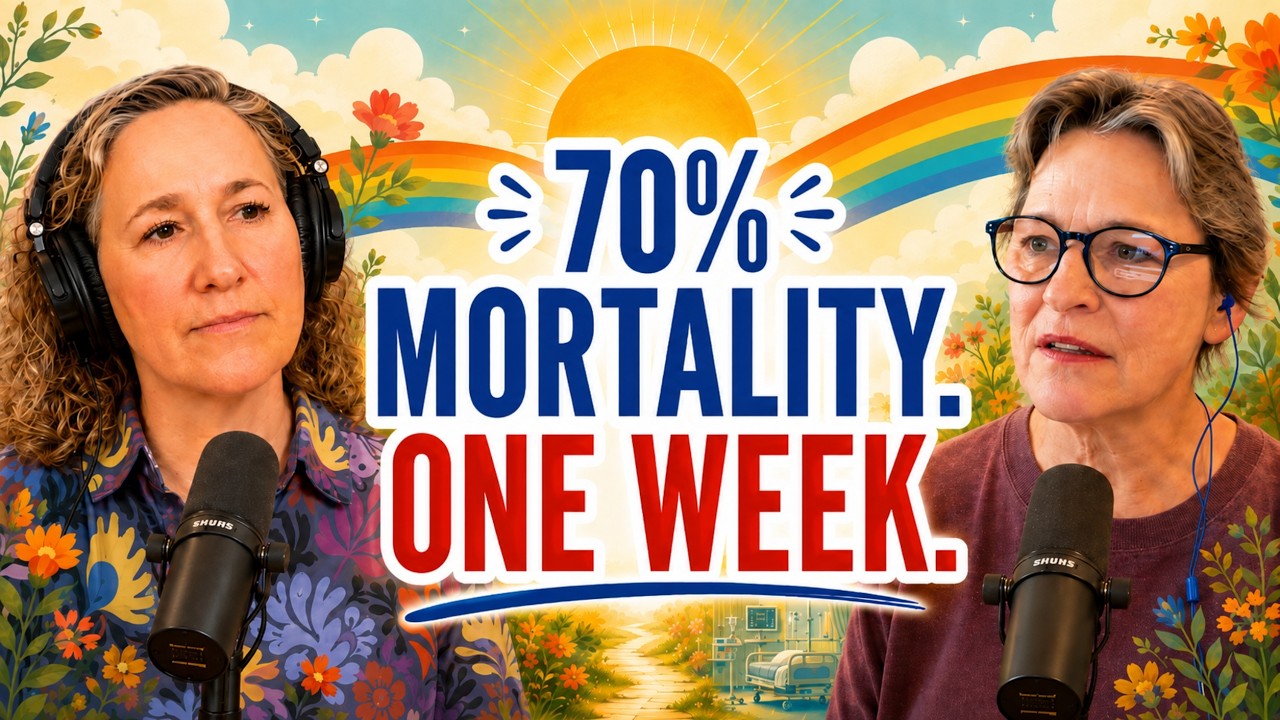
When Patients Stop Trusting: How Medical Skepticism Drives Doctor Burnout
When medical professionals experience burnout, the usual suspects are always the same: grueling 80-hour workweeks, impossible administrative burdens, and chronic sleep deprivation. But for many hospitalists and frontline clinicians, the true breaking point isn't the physical exhaustion of the job. Instead, it is the erosion of trust between physician and patient, marked by pervasive skepticism, vaccine refusal, and the rejection of evidence-based medicine during times of crisis.
Key Takeaways
- Patient distrust and medical skepticism can cause deeper psychological injury to physicians than sheer physical exhaustion or long hours.
- The psychological contract of medicine relies on mutual respect; when patients reject core scientific truths, it invalidates years of rigorous training.
- Burnout originating from a loss of professional trust often extends far beyond the hospital walls, invading personal relationships and self-worth.
- Rebuilding a sustainable career requires acknowledging that not all clinical burnout can be solved by standard resilience training or meditation apps.
- Finding a way back from deep professional disillusionment starts with re-evaluating what makes daily practice personally meaningful.
The Hidden Psychological Toll of Patient Skepticism
For decades, the medical community has operated under a shared unspoken agreement: doctors bring their expertise, rigorous training, and diagnostic tools, while patients bring their vulnerability and a baseline willingness to collaborate. When a pandemic hits, that delicate ecosystem is strained to its absolute limit. However, the true fracture happens not when beds fill up or monitors beep incessantly, but when a patient looks a trained physician in the eye and rejects the foundation of modern medicine entirely.
During the peak of the COVID-19 pandemic, hospitalists watched mortality rates skyrocket in a matter of days. Yet, for many clinicians, standing at the bedside of a critically ill patient who simultaneously refused basic life-saving interventions or demanded unproven treatments like ivermectin was the ultimate psychological blow. It wasn't just a disagreement over a treatment plan; it felt like a fundamental rejection of the physician's identity, years of sacrifice, and professional integrity.
Why Exhaustion Is Not the Only Enemy
Healthcare systems love to frame burnout as an individual resilience problem. They hand out wellness modules, suggest mindfulness breaks, and preach self-care as if a weekend yoga retreat can cure a broken occupational soul. But this approach completely misses the mark when dealing with moral injury and institutional betrayal. Physical exhaustion leaves the body tired, but a shattered therapeutic alliance leaves the spirit hollow.
When patients actively doubt everything a doctor has to offer, the clinician is stripped of their primary source of professional reward: helping others and seeing the positive impact of their work. Without that feedback loop, medicine transforms from a noble calling into a demoralizing treadmill of conflict.
How Workplace Burnout Bleeds Into Personal Life
One of the most insidious characteristics of burnout driven by patient distrust is its refusal to stay contained within the four walls of the hospital. Traditional workplace stress usually stays at the office—you clock out, drive home, and decompress. But when your fundamental sense of purpose is called into question day after day, the existential dread follows you home.
Physicians experiencing this level of profound depletion often find themselves unable to engage with their families, hobbies, or personal joys. The emotional reservoir is completely empty. You cannot compartmentalize a crisis of faith in your life's work. It seeps into every interaction, turning a once-loved profession into a source of ongoing resentment and grief.
The Limitations of Traditional Coping Tools
When a physician is deep enough in burnout, standard coping mechanisms become entirely inaccessible. Telling someone who is facing existential occupational despair to "breathe through it" is insulting. The tools that usually keep professionals grounded—peer support, continuing education, career advancement—fall flat when the core problem is that the fundamental nature of the job has fundamentally shifted.
Recovery, therefore, cannot simply look like a return to the status quo. If the old normal was toxic and unsustainable, trying to cope better within that same broken system is a fool's errand. Instead, recovery demands asking a much harder question: what kind of life and career are actually worth coming back to?
Rebuilding a Career Worth Coming Back to After Burnout
Finding a way back from the brink of medical burnout requires radical honesty. For many doctors, it means redefining boundaries, stepping away from toxic environments, and rediscovering the human connections that initially drew them to healthcare. It is rarely about fixing the healthcare system overnight; rather, it is about reclaiming personal agency within a profession that often demands total self-sacrifice.
As discussed in depth on the podcast, navigating this transition isn't a solitary journey. Hearing candid conversations about the deep personal costs of practicing medicine helps dismantle the isolation that keeps so many healthcare professionals quietly suffering in the shadows.
To explore these themes further and hear a raw, unfiltered conversation about surviving the darkest days of hospital medicine, Listen to the full episode. Discover how deep-rooted professional burnout can be faced, understood, and ultimately transformed.
Frequently Asked Questions
Why does patient distrust cause deeper burnout than long hours?
While long hours cause physical fatigue, patient distrust creates a moral injury. When patients reject evidence-based medicine and doubt a doctor's expertise, it invalidates the physician's years of training and strips away the core sense of purpose that makes the job rewarding.
How does professional burnout affect a doctor's personal life?
Deep burnout rarely stays at the hospital. When a clinician's fundamental faith in their life's work is shattered, emotional exhaustion bleeds into personal relationships, hobbies, and day-to-day life, leaving them feeling hollow and disconnected outside of work.
Why do standard wellness tools fail against severe medical burnout?
Standard wellness interventions like mindfulness apps or resilience workshops assume the problem is poor coping skills. When burnout stems from a systemic erosion of trust and moral injury, these surface-level tools are largely inaccessible and ineffective.
What is the key to recovering from deep career disillusionment in healthcare?
Recovery involves moving past the idea of simply coping better and instead asking hard questions about what makes a career and life genuinely worth coming back to. This often requires setting firm boundaries and redefining personal and professional values.


 Podcast Addict
  TuneIn
  PlayerFM
  Podchaser
  Deezer
  Castbox
  PocketCasts
  Pandora